Deborah Allotey on Building Community at the BEKH
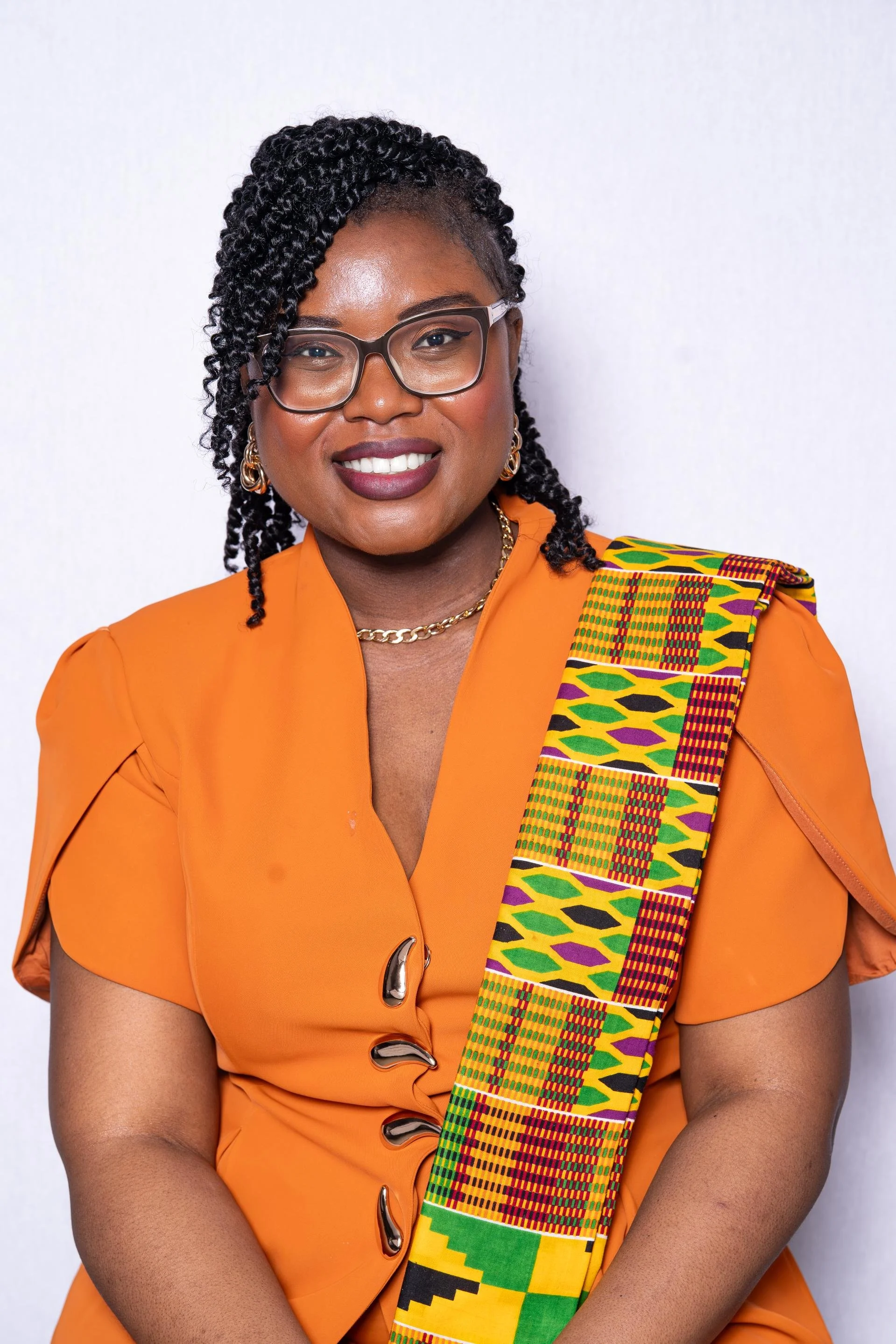
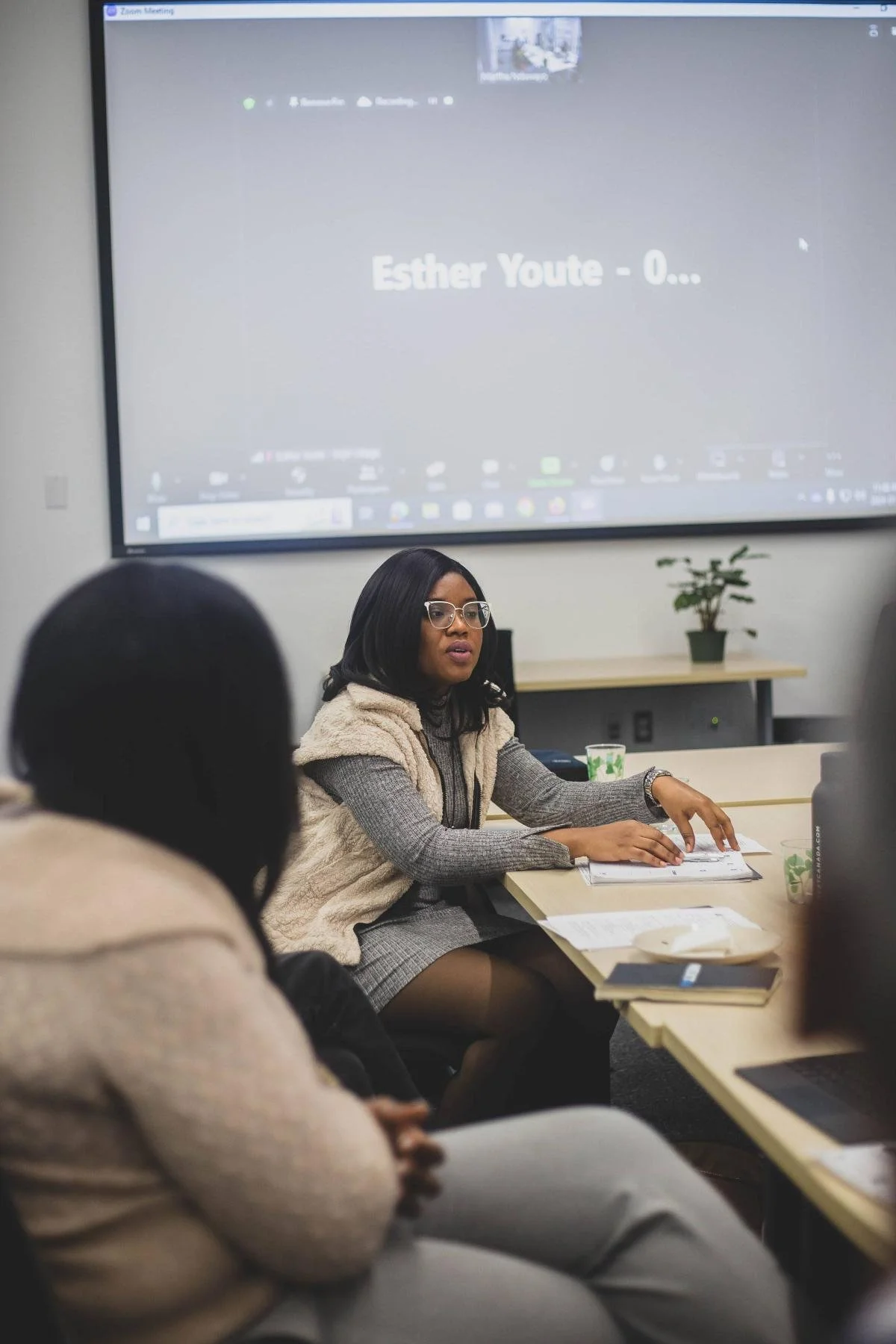
Deborah Allotey, Community Coordinator at the BEKH
Research can tell us what Black entrepreneurs are experiencing. It can reveal trends in financing, identify gaps in support, and measure the barriers that businesses face across Canada. But research alone cannot answer every question. Sometimes, entrepreneurs simply need someone to point them in the right direction.
For Deborah Allotey, Community Coordinator at the Black Entrepreneurship Knowledge Hub (BEKH), that's where community engagement begins.
"The data is one thing," she says. "Making the data in a format that is useful, that is practical, that is one-on-one with entrepreneurs is where I come in. I'm more like a warm contact."
Since stepping into the role, Deborah has become one of the first people many entrepreneurs meet when they connect with the BEKH. Whether through conferences, networking events, technical workshops, or one-on-one meetings, her work centres on listening first and connecting people to the resources that already exist across Canada's Black entrepreneurship ecosystem.
It's a role that grew naturally from her earlier work helping build the Black Entrepreneurship Ecosystem Map (BEEM).
"When we were building BEEM, everyone was trying to understand what we were doing," she recalls. "We were trying to figure it out ourselves."
Creating the platform meant far more than collecting information. Deborah worked alongside students to build the map, supervise research, develop webpages, translate content into French, and recruit organizations from across the country. At the same time, she spent countless hours attending community events and speaking directly with entrepreneurs about why the platform mattered.
"There were misunderstandings," she says. "People thought we wanted to take their data or their members. We had to explain the value."
That work culminated in the launch of BEEM in February 2025. Today, while others continue expanding the platform's research and technical capabilities, Deborah focuses on helping entrepreneurs discover and use it.
Her days are filled with conversations. Some organizations want access to research. Others want to share opportunities with entrepreneurs. Many simply want to understand where they fit within Canada's growing Black entrepreneurship ecosystem. Increasingly, Deborah has become the person connecting those dots. One conversation that stands out involved a group of entrepreneurs looking to better understand government procurement opportunities. After introducing them to the relevant resources through BEEM, Deborah worked with colleagues to connect them with Procurement Assistance Canada, helping them navigate the procurement process and better understand how to pursue government contracting opportunities.
"People don't always come with questions," she says. "They come with challenges."
That distinction has shaped how she approaches community engagement. One entrepreneur wanted help commercializing an existing business. Another wanted to start a cleaning company but felt isolated because they didn't know anyone in the industry. Others were searching for mentors, funding, marketing advice, or simply reassurance that someone else had walked the same path. Listening to those experiences has reinforced one lesson for Deborah: entrepreneurs rarely need just information. They need someone who can help them navigate it.
"The biggest barrier is access to information in a timely manner," she explains. "You don't know what you don't know."
Black entrepreneurs often rely first on family, friends, or immediate networks for advice. If those networks aren't aware of specialized supports, many opportunities remain invisible until it's too late. That reality has strengthened Deborah's belief that organizations cannot simply wait for entrepreneurs to find them.
"We have to meet entrepreneurs where they are," she says.
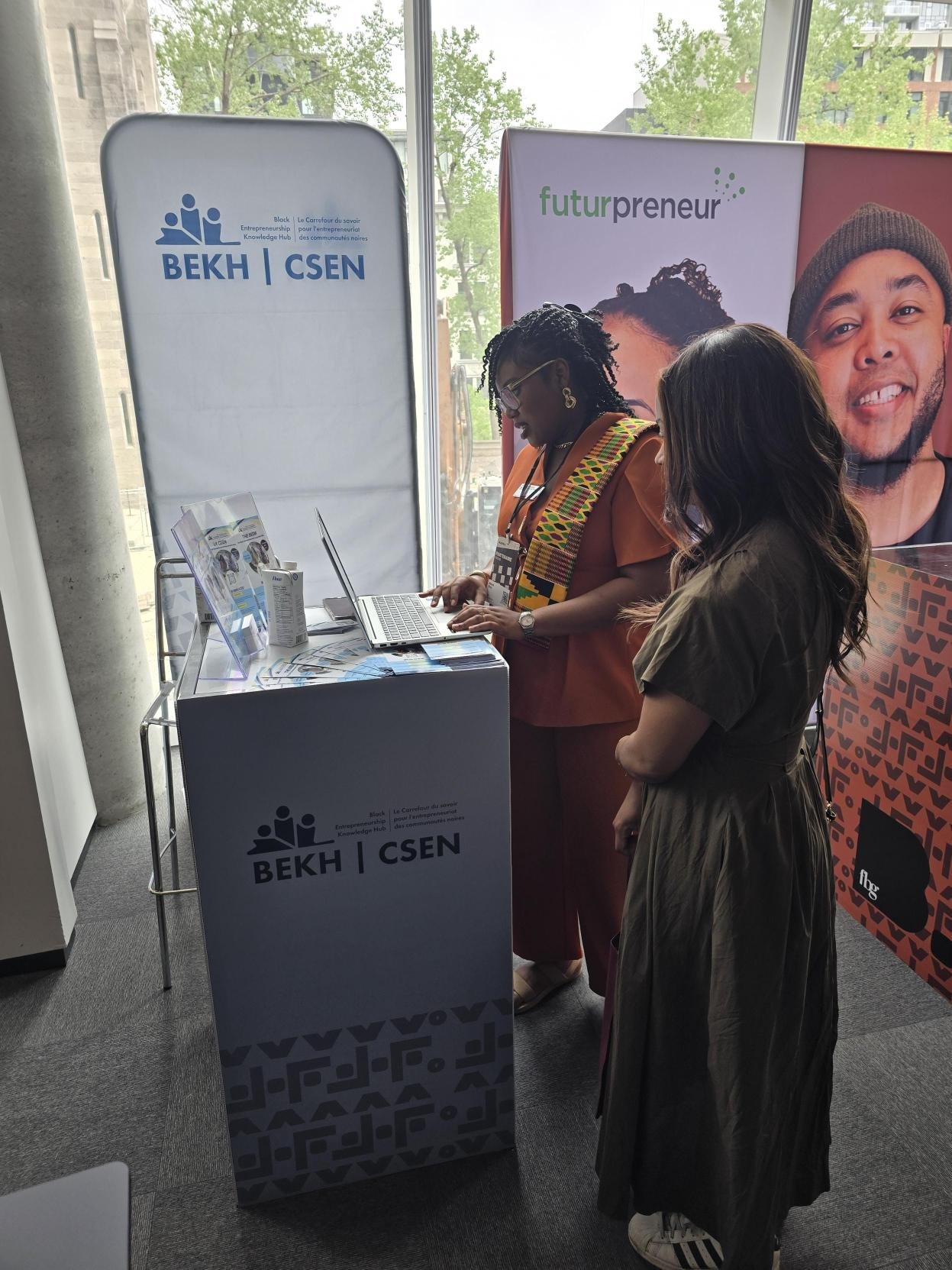
That philosophy explains why the BEKH team has been increasingly visible at events across the country, including Melamoon, AccelerateOTT, intellectual property workshops, and numerous community gatherings. Each event creates another opportunity to introduce entrepreneurs to resources they may never have known existed.
Deborah believes Canada's Black entrepreneurship ecosystem already includes many organizations doing valuable work. The opportunity lies in making it easier for entrepreneurs to move between those supports rather than expecting any one organization to meet every need.
"We shouldn't aim to do everything," she says. "We should highlight what somebody is already doing very well."
For Deborah, success is reflected in an entrepreneur's progress. She believes the goal is not simply to celebrate the resilience of Black entrepreneurs, but to build an ecosystem that makes success more attainable.
"I want us to move from resilience to resourcefulness," she says.
She hopes entrepreneurs experience an ecosystem where each connection naturally leads to the next, making it easier to find the support they need as their businesses grow.