
Africa Day 2026: Turning Canada-Africa Connections into Opportunity
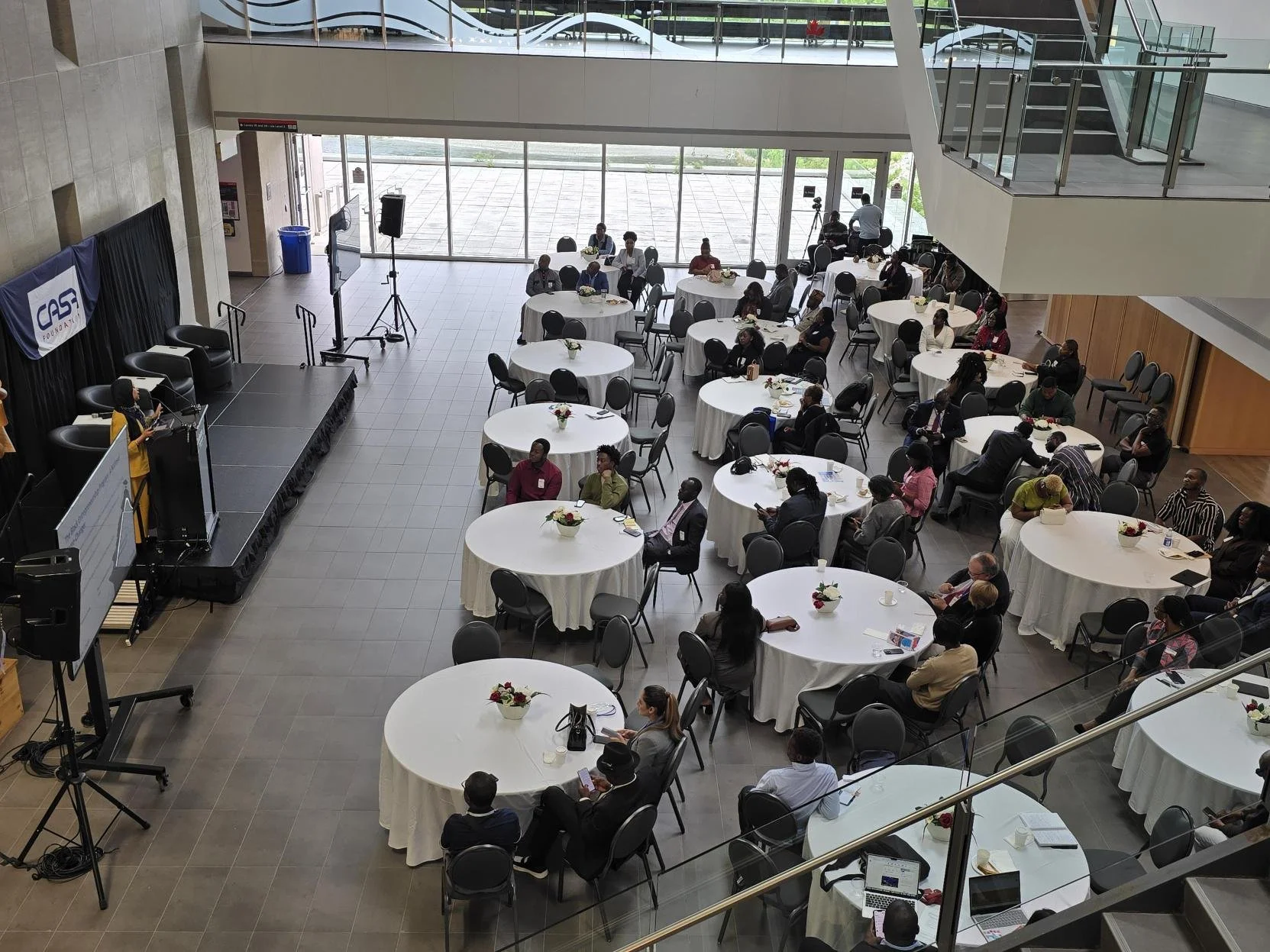
Conversations about entrepreneurship often begin with capital. At this year’s Africa Day Forum held on May 25, they quickly turned to something just as important: community.
Hosted by Casa Foundation for International Development at Carleton University, Africa Day 2026 brought together entrepreneurs, investors, policymakers, researchers, students and community leaders to explore how Canada and Africa can create viable and innovative investment opportunities.
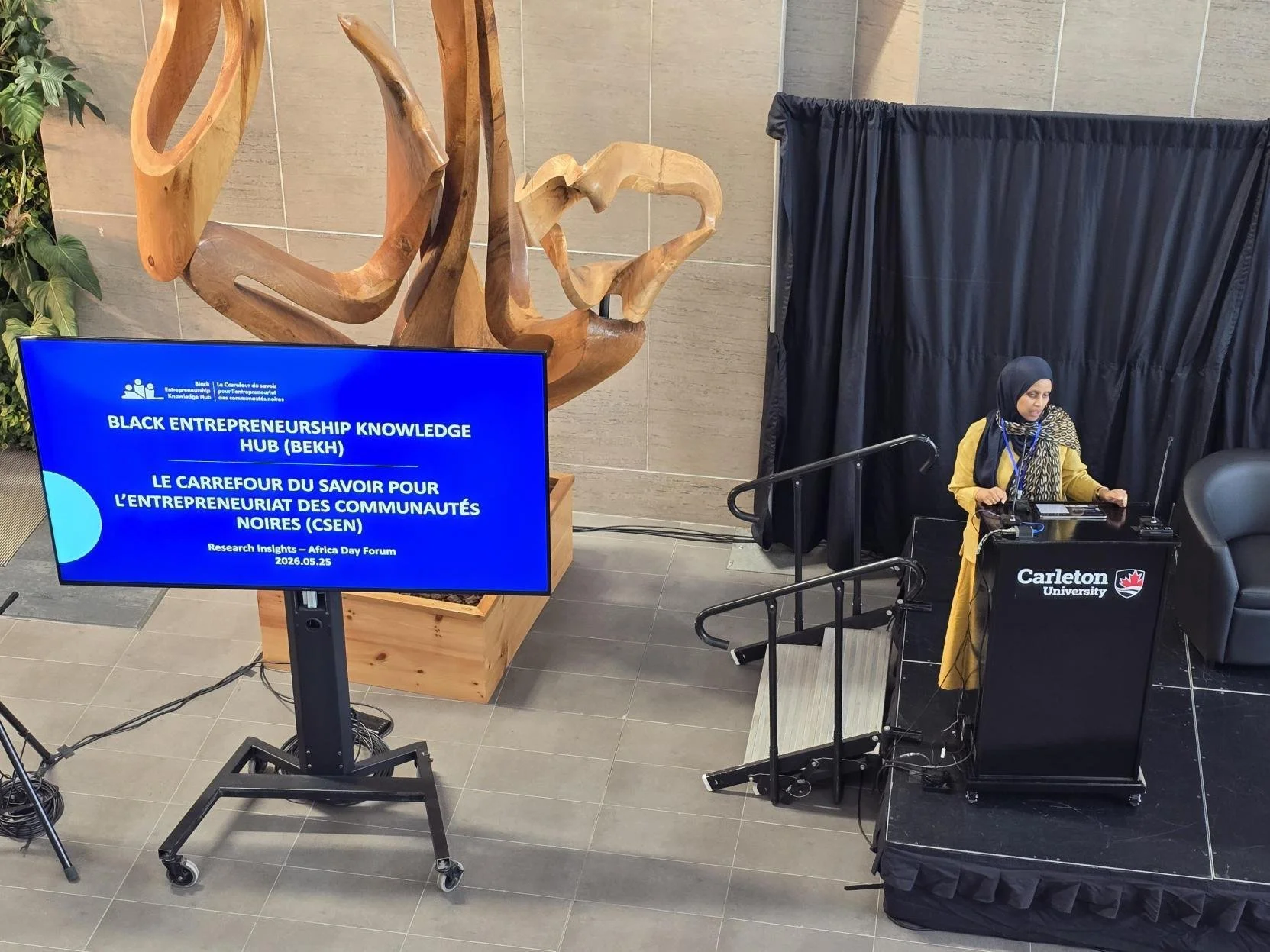
For the Black Entrepreneurship Knowledge Hub (BEKH), the forum was an opportunity to share research on Black entrepreneurship in Canada while listening to the ideas, priorities and experiences shaping Canada-Africa collaboration.
Dr. Muna Osman, Senior Research Scientist at the BEKH, presented research insights on Canada’s Black African businesses, highlighting both their strengths and the barriers that continue to limit growth. BEKH research shows that Black entrepreneurs in Canada are young, highly educated, diverse and digitally connected. Many want to scale their businesses, reach new markets and strengthen their operations.
At the same time, many continue to face challenges related to financing, access to professional networks, business visibility and support systems that do not always reflect their realities.
Those themes carried into the breakout session facilitated by John Nelson, Executive Director of the BEKH. The session, titled “Investing in Innovation for Global Impact: How Canada Can Support African Innovators,” invited participants to examine emerging innovation sectors across Africa and discuss how Canada-Africa partnerships can better support entrepreneurs, investors and communities.
Participants pointed to promising opportunities in fintech, agri-tech, renewable energy, climate technology, artificial intelligence, platform-enabled services and trade facilitation. These sectors reflect the growing role African innovators are playing in shaping solutions for local, regional and global markets.
But the discussion also made clear that innovation cannot grow through individual effort alone. Entrepreneurs need access to funding, but they also need trusted networks, market intelligence, mentorship, legal and compliance support, distribution channels and spaces where collaboration can turn into action.
A recurring theme was the importance of the African diaspora as a bridge between Canada and Africa. Participants described the diaspora as a source of knowledge transfer, market access, mentorship, investment relationships and cultural understanding. These connections can help Canadian businesses better understand African markets while supporting African innovators who want to reach global opportunities.
The conversation also surfaced a concern that many Black entrepreneurs and organizations know well: fragmentation weakens impact. When organizations work in isolation, opportunities are harder to find, resources are harder to access and promising businesses can remain disconnected from the networks they need.
That is why community building is not separate from business growth. It is part of the infrastructure that makes growth possible.
Africa Day 2026 was a reminder that strong business ecosystems are built through relationships as much as resources. Capital matters. So do trust, visibility, knowledge and collaboration.
When communities are connected, businesses are better positioned to grow. And when businesses grow, they create new possibilities for the communities around them.