
Bootstrapping without a Boot: How Tia Upshaw Used Her Last $50 to Build Generational Wealth
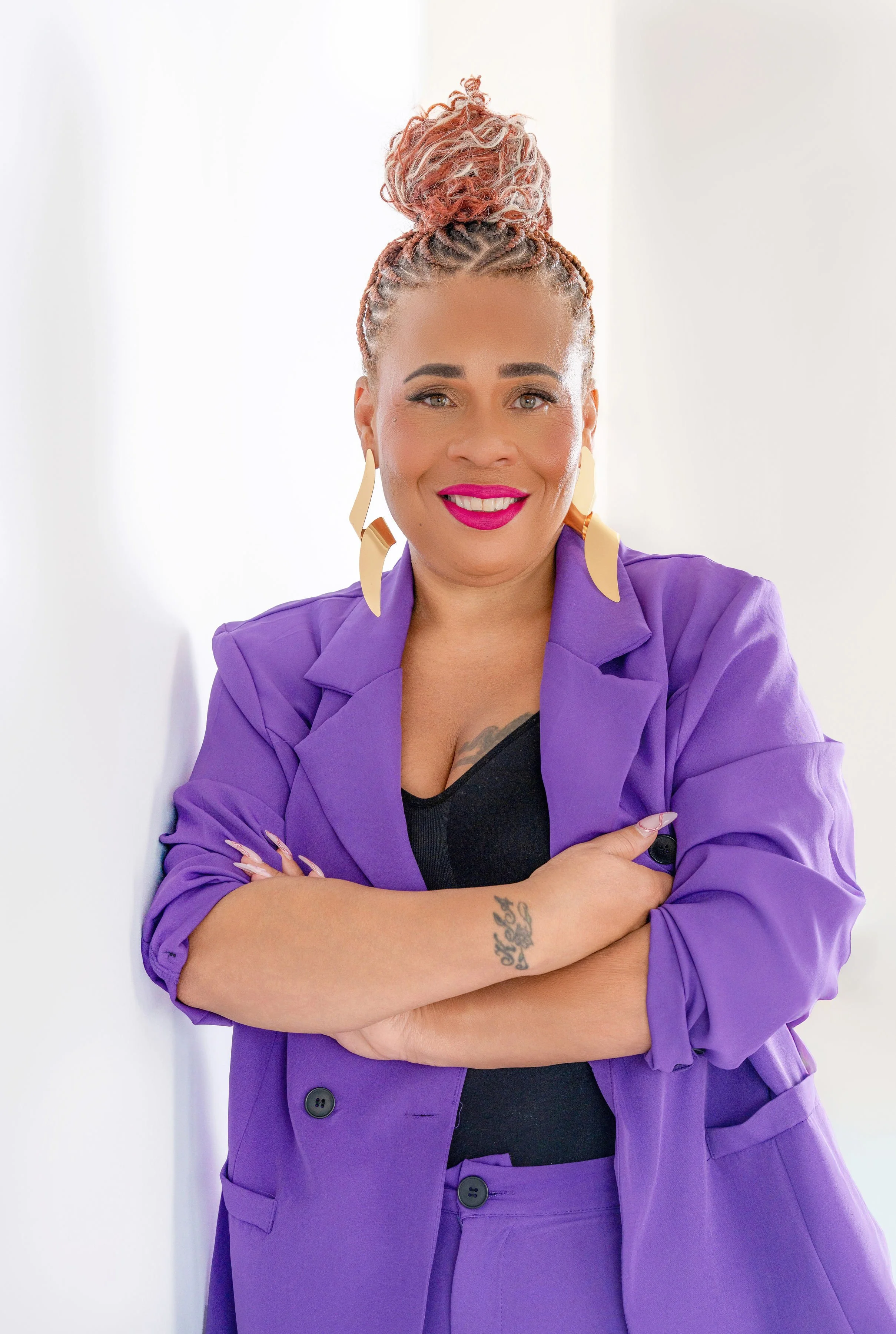
In 2013, Tia Upshaw checked her bank balance and saw just $50. It was her last $50.
At the time, she was a young single mother of three with a prior conviction and no clear job prospects. She faced a decision that felt impossibly stark: save what remained of her government assistance cheque for her family or spend it immediately on cleaning supplies and start a business. She chose to take the risk. That decision would change the course of her life and her family’s future.
The Black Entrepreneurship Knowledge Hub (BEKH) study, Black Women Entrepreneurs in Atlantic Canada: Their Journeys, Challenges, and Experiences, finds that most Black women entrepreneurs in the region rely on personal savings or credit cards to start their businesses, with limited access to institutional financing.
However, for Upshaw, there was no savings, line of credit, nor a fallback plan. “I remember one day I was at an event, and they were talking about bootstrapping,” she said. “But what if you don’t even have a boot? People use these metaphors, and I’m like, you need to be careful because some people don’t even have a boot to put on to say they strapped it.”
Upshaw’s decision to start her business became her family’s lifeline, but it came at a personal cost. She speaks openly about the guilt she carries from those early years of trying to survive while raising her children.
“My two older children didn’t get the version of a mom that they should have,” she said. “I did the best I could with what I had.”
As she worked to keep the business and family afloat, her older daughters were forced to grow up quickly. One took responsibility for school pickups, while another ensured the youngest was fed and in bed on time. At night, Upshaw delivered newspapers with her youngest child asleep in the back seat of the car.
The strain of those years never fully faded. “It was very stressful,” she said. “There’s a lot of guilt that comes with that too, trying to juggle being a single mom. It’s not just being a single mom. It’s the aftereffects it has on your children that I’m still dealing with today.”
That guilt, however, became a powerful motivator.
Today, Upshaw is far removed from the instability of her early years. She has launched multiple ventures and expanded her profile through her consultancy firm, Femme Noir, as well as her growing media presence. She hosts Tuesdays with Tia on CTV Morning Live Atlantic, where she shares practical strategies on entrepreneurship, resilience, and leadership.
Her image challenges narrow expectations of what a business leader should look like. “I want other women, Black women, to see that you can be authentically yourself and still be successful,” she said.
Upshaw’s work has earned widespread recognition. In recent years, she has received more than 30 awards, including the JA Business Hall of Fame Legacy in the Making Award in 2025, recognition as one of Atlantic Canada’s Top 50 CEOs in 2025, and the CBC Black Changemaker Award in 2024.
Despite this success, Upshaw remains acutely aware that many Black women across Atlantic Canada still find themselves in the position she once occupied: willing to try, but with nowhere to turn for support.
“There were organizations that worked with women, and they wouldn’t even respond to me,” she said. “Then there were organizations that worked with Black businesses, and they didn’t respond to me. I was just stuck in the middle.”
That experience led her to found Canadian Blk Women in Excellence (BWIE) in 2020. She invested $200,000 of her own money into the organization before it received federal funding in 2023. Today, BWIE remains the only organization east of Montreal with a sole mandate focused on supporting Black women entrepreneurs.
“Five years later, I’m still the only one,” she said. “Others do initiatives, but they don’t have the core mandate.”
The BEKH study notes that entrepreneurship is often viewed by Black women as a pathway to generational wealth and a means of healing from systemic exclusion. For Upshaw, it also became a form of redemption.
By 2021, her cleaning company had grown to generate more than one million dollars in revenue and employed 13 people. In 2023, a decade after she spent her last $50 to start the business, Upshaw transferred ownership to her eldest daughter.
“That was my first step into generational wealth,” she said.